MILAN – Comunicaffè International is launching its subscription campaign for 2022-2023. The annual subscription rate is unchanged since 2015 at 260 euro. A paying account gives you access to all the resources on our website without limitations. You can pay using your paypal account and our address info@comunicaffe.com, or with a wire transfer.
Payment details for the wire transfer
Bank: Widiba Bank Italy
IBAN CODE: IT32J0344216000000001262485
BIC (SWIFT) WIDIITMM
Payment must be made to order of Angela Hysi the publisher of Comunicaffè International.
Please take note that:
Our bank can accept orders from your bank only in Euro.
Payment must be made to our account in the net amount without deductions.
All bank transfer costs, including the fees of the intermediary and beneficiary bank, shall be borne by the sender.
SINGAPORE – Olam Group Limited (“Olam Group”) announced that its wholly owned subsidiary, olam food ingredients (“ofi”), a global leader in naturally good food and beverage ingredients, has secured a multi-tranche dual currency (USD & CNH) term loan facility aggregating US$1,120 million (the “Facility”).
The Facility has Olam Treasury Pte Ltd as a Borrower. The Facility is initially guaranteed by Olam Group Limited which would transfer to ofi Group Limited following the planned IPO and demerger of ofi. Proceeds from the Facility will be applied towards refinancing of ofi’s existing loans and general corporate purposes.
The Facility has two US Dollar tranches aggregating US$775 million and a CNH tranche of CNH2,415 million (~ US$345 million).
A total of 12 banks participated in the Facility across three tiers: Senior Mandated Lead Arrangers:
1. Bank of China
2. Industrial and Commercial Bank of China
3. The Hongkong and Shanghai Banking Corporation (HSBC)
Mandated Lead Arrangers:
1. CTBC Bank
2. DBS Bank Ltd
3. Standard Chartered Bank (Singapore) Limited
Lead Arrangers:
1. Cathay United Bank
2. China CITIC Bank
3. Fubon Bank
4. Hang Seng Bank
5. Malayan Banking Berhad (Maybank)
6. Shanghai Pudong Development Bank
HSBC has been appointed as the Facility Agent.
About Olam Group
Olam Group is a leading food and agri-business supplying food, ingredients, feed and fibre to almost 22,000 customers worldwide. Olam value chain spans over 60 countries and includes farming, processing and distribution operations, as well as a global network of farmers.
Through their purpose to ‘Re-imagine Global Agriculture and Food Systems’, Olam Group aims to address the many challenges involved in meeting the needs of a growing global population, while achieving positive impact for farming communities, our planet and all our stakeholders.
Headquartered and listed in Singapore, Olam Group currently ranks among the top 30 largest primary listed companies in terms of market capitalisation on SGX-ST.
Since June 2020, Olam Group has been included in the FTSE4Good Index Series, a global sustainable investment index series developed by FTSE Russell, following a rigorous assessment of Olam’s supply chain activities, impact on the environment and governance transparency.
About ofi
olam food ingredients (“ofi”) is a new operating group born out of Olam. ofi offers sustainable, natural, value-added food products and ingredients so that consumers can enjoy the healthy and indulgent products they love. It consists of industry-leading businesses of cocoa, coffee, dairy, nuts, and spices.
ofi has built a unique global value chain presence including its own farming operations, farm-gate origination, and manufacturing facilities. ofi partners with customers, leveraging its complementary and differentiated portfolio of ‘on-trend’ food products, to co-create solutions that anticipate and meet changing consumer preferences as demand increases for healthier food that’s traceable and sustainable.
The founder of b-capsule Bertold Igel (photo granted)
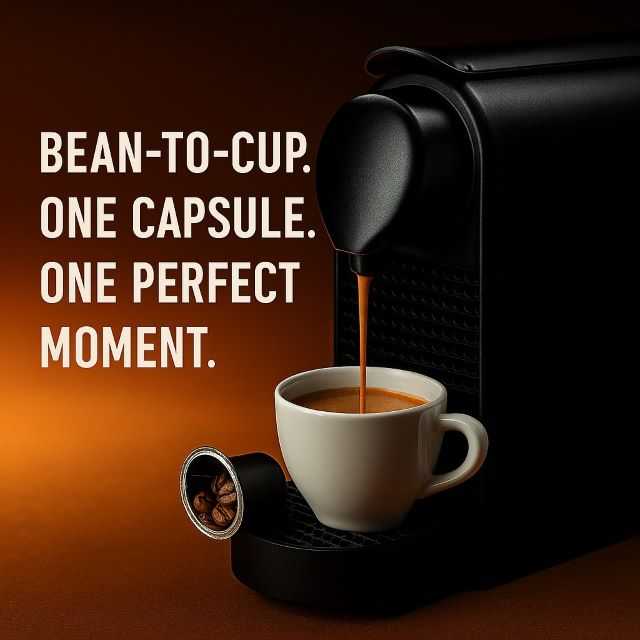
MILAN – Single-serve capsules are still a market with potential for further development: some insist on aluminum, others are exploring fully compostable materials, while others are moving toward yet another option. This is the case with b-capsules (made by single-layer aluminium Al 8011, laser-sealed, similar to that used in Nespresso Vertuo systems), a new generation of capsule systems for whole beans: we spoke to Bertold Igel, founder of b-Capsule Coffee Solutions.
The b-Capsule concept stands between standard capsule systems and bean-to-cup machines. Who is the product designed for?
“b-Capsule is created for the premium HoReCa segment and office coffee environments, where customers expect bean-to-cup quality but require hygiene, consistency, and operational simplicity.
At the same time, the system is designed for coffee roasters who want to offer their beans in a clean, portioned, and recyclable format — without losing the identity and aroma of their roast.
b-capsule (foto concessa)
In parallel, we are exploring a compact home version of a capsule-based bean-to-cup machine, featuring the full cycle: capsule insertion → automatic opening → bean release into the grinder → empty capsule disposal → grinding → espresso extraction → coffee puck ejection.
Optionally, it can include a milk module for cappuccino or latte preparation — keeping the same philosophy: whole-bean coffee, with the convenience and cleanliness of a capsule system.”
Isn’t a system that’s incompatible with others at risk of becoming too niche?
“Every real innovation starts as a niche. Capsule systems themselves were once seen as risky. Our approach is deliberately open and collaborative: we invite roasters, machine manufacturers, and integrators to adapt their systems to the b-Capsule format.
The goal is not to close an ecosystem but to create a new open standard — sustainable, transparent, and technology-driven.”
How much coffee can each capsule hold, and what is it made of?
“Each b-Capsule contains 7–9 grams of roasted whole beans, depending on the roast profile and density. The capsule body is made from a lightweight, recyclable mono-material — we are currently testing both aluminum and biopolymer versions, compatible with existing industrial recycling streams.
The geometry is optimized to protect the aroma and ensure reliable portioning during automated handling.”
Why use whole beans for a format usually associated with ground coffee?
“Because grinding just before extraction is the only way to achieve true freshness. Most capsule systems rely on pre-ground coffee, which loses its volatile compounds within hours.
By sealing whole beans instead, b-Capsule preserves the aroma and essential oils until the very moment of brewing, combining the convenience of a capsule with the quality of a freshly ground espresso.”
Is this choice directly linked to the quality of the coffee being used?
“Absolutely. The b-Capsule format allows roasters to showcase their craftsmanship without compromise — from single origins to microlots. The capsule becomes a transparent carrier of quality, not a limitation. What ends up in the cup truly reflects the bean and roast chosen by the roaster.”
How does the system actually work — how do you get from whole beans to a single-serve cup?
From bean to cup (photo granted)
“Inside the machine, the capsule is automatically opened, and the beans are released into a precision grinder. The coffee is then ground and extracted — just like in a bean-to-cup system, but without hoppers, cleaning cycles, or risk of cross-contamination.
The capsule remains dry and empty after use, ready for recycling.”
Does the machine include a built-in grinder?
“Yes. The system integrates a compact, high-precision grinding unit that activates only during extraction.
The mechanical interface ensures the safe opening of the capsule and precise dosing of beans. From that moment, the process is fully automated — ensuring clean operation, traceability, and professional-grade brewing.”
Autonomous cleanliness: after brewing, the capsule remains dry and ready for recycling. How is it disposed of?
“Because no water or waste remains inside, the capsule is completely dry and recyclable. There is no need to separate coffee grounds — they are already extracted. Both the aluminum and biopolymer versions can be discarded in existing recycling streams for metals or bioplastics. This eliminates the common problem of wet coffee capsules and simplifies post-use handling dramatically.”
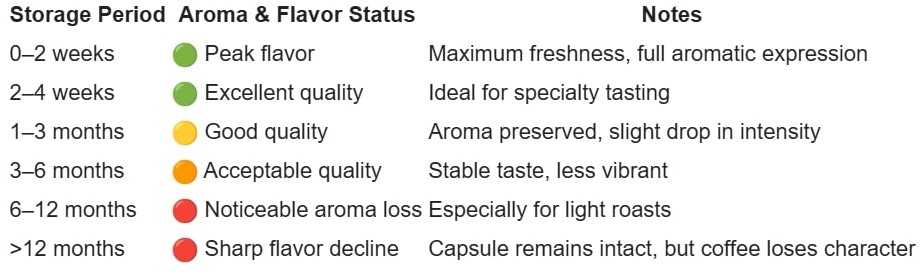
Shelf life and “filled on demand”
“Aroma and Flavor Degradation in Nitrogen-Flushed Capsules wirh whole beans”
All these advantages come at a cost. How much do the capsules and machines cost for end users?
“We are currently finalizing pilot production and integration with equipment partners. The target capsule price will be comparable to premium Nespresso® Professional lines, while machine pricing will vary — from compact office units to high-capacity systems for HoReCa.
Our goal is price parity with bean-to-cup systems, while offering higher hygiene and product flexibility.”
Where and in which markets will the product be available?
“We are preparing pilot installations in Germany, Switzerland, and Italy, in collaboration with local roasters and technology partners. Wider commercial availability is planned for 2026, following certification and the official launch under the b-Capsule Coffee Solutions brand.”
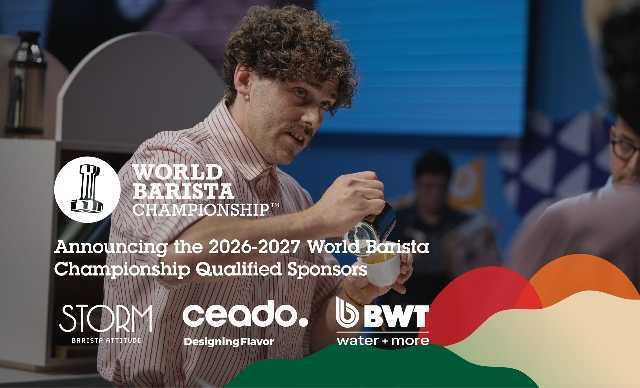
MILAN – The Specialty Coffee Association (SCA) announces the Qualified Sponsors for the 2026–2027 World Barista Championship (WBC), marking the beginning of a new two-year cycle dedicated to elevating excellence, fostering innovation, and strengthening the global specialty coffee community.
As the World Barista Championship continues to expand its global footprint, welcoming more competitors, reaching wider audiences, and inspiring new generations of coffee professionals, the role of Qualified Sponsors becomes increasingly important.
The techniques and tools used on stage at the WBC have a history of wide and long-lasting impact within the industry, and this is especially true of products provided by qualified sponsors who supply the competition’s standardized equipment, ensuring consistency and fairness on the world-class stage where baristas perform.
The upcoming competition cycle brings the WBC to two landmark global destinations. In 2026, the World Barista Championship will take place in Panama City as part of World of Coffee Panama.
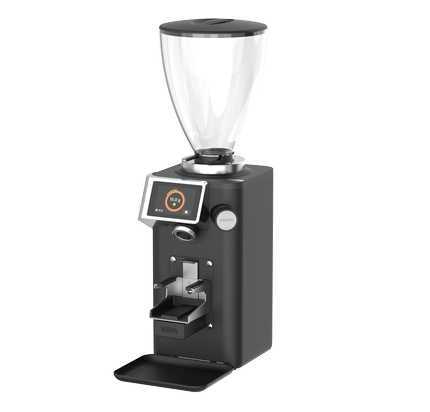
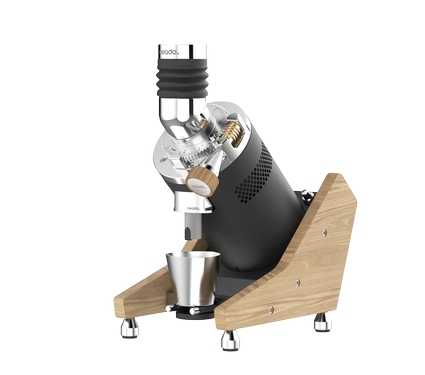
Ceado REV Zero (image provided)
Hosting the WBC in Panama, the first time in Central America, underscores the rich heritage and growing influence of the region, and positions the country as an accessible hub where producers, traders, and professionals from across the globe can convene.
In 2027, the WBC will return to Tokyo, Japan, as part of World of Coffee Tokyo marking two decades since the competition was last hosted there.
Tokyo has become a global leader in coffee culture, celebrated for its innovation, precision, and design. As Japan remains one of the world’s largest coffee-consuming markets, the return of the WBC will once again place Tokyo at the forefront of ideas, techniques, and flavors shaping the future of specialty coffee.
E37Z-Naked (image provided)
“Each new WBC cycle presents an opportunity to push our industry forward, and the 2026–2027 sponsorship group represents partners who share our commitment to support activities that make specialty coffee a thriving, equitable, and sustainable endeavor for the entire value chain,” said Yannis Apostolopoulos, Chief Executive Officer of the Specialty Coffee Association. “As the WBC grows in scale, audience, and impact, we are focused on fostering community, expanding pathways for professional development, and inspiring the next generation of coffee leaders. Together with our sponsors, we are building a stronger, more connected future for specialty coffee.”
STORM “Barista Attitude” returns as the Qualified Espresso Machine sponsor with the Tempesta Espresso Machine, continuing their commitment to supporting exceptional performance on the WBC stage. “We are proud to collaborate with and support SCA, an organization whose values and vision for the future we share. Our new WBC sponsorship allows us once again to affirm STORM as a benchmark of excellence in the coffee industry,” says Federico Gallia, from Ryoma, the parent company of STORM “Barista Attitude.”
“We firmly believe that, especially in times of market uncertainty, the pursuit of perfection, and the long-standing consistency of a brand and its expertise can help guide the right course. For many baristas and coffee lovers, we want to be an inspiration, a supporter, a team player — simply, a partner. Just like SCA, at STORM we believe in delivering concrete answers that inspire progress.”
The Qualified Espresso Grinder sponsor for the 2026–2027 cycle, Ceado, will play a crucial role in delivering precision, consistency, and reliability for all competitors, giving competitors the option to use their cutting edge REV Zero and E37Z-Naked grinders.
“For Ceado, supporting the World Barista Championship is a natural extension of our philosophy of Designing Flavor. Coffee undertakes an extraordinary journey before it reaches our grinders — a journey made of work, expertise, and precious natural resources,” says Ceado CEO, Michele Girardi. “The best way to honor that journey is to provide the highest-performing equipment and to educate on how to use it, so that baristas can truly design, express and elevate the aromatic profile of this unique raw material. We are proud to support the WBC with our REV Zero and E37Z-Naked grinders, and to contribute to a community that celebrates innovation, precision, craft, and respect for coffee.”
BWT water+more also returns as the long-standing Qualified Water Filtration sponsor, ensuring optimal water quality and safeguarding flavor integrity for competitors throughout the competition. “BWT water+more is very proud to be chosen as the Qualified Water Filtration sponsor of the 2026-2027 World Barista Championships,” says Dr. Frank Neuhausen, Managing Director of BWT water+more Deutschland GmbH.
“For more than 18 years, we’ve collaborated closely with coffee professionals to deliver innovative water optimization solutions and champion sustainability through initiatives like our ‘Change the world – sip by sip’ campaign, where we invite the entire coffee industry to join us in shaping a sustainable future. BWT water+more delivers innovative water optimization solutions that ensure perfect coffee quality in every cup. Supplying the world’s top baristas with perfect water at the WBC underscores our dedication to excellence and innovation. Perfect water. Perfect coffee. Perfect partnership.”
Through the World Coffee Championships, the SCA advances its mission to create community, foster innovation, provide career pathways, and excite consumers about the possibilities of specialty coffee. The competitions serve as a global platform where baristas, manufacturers, and coffee leaders come together to share ideas, celebrate excellence, and shape the future of the industry. Qualified equipment used on WBC stages undergoes rigorous testing and assessment to ensure it meets the performance and consistency standards required at the highest level of competition.
Make sure to join the events at the 2026 and 2027 World Barista Championships:
Panama City World Coffee Championships
October 23-25, 2026 at World of Coffee Panama in Panama City, Panama
Featuring the World Barista Championship
Tokyo World Coffee Championships
April 28-May 1, 2027, at World of Coffee Tokyo in Tokyo, Japan
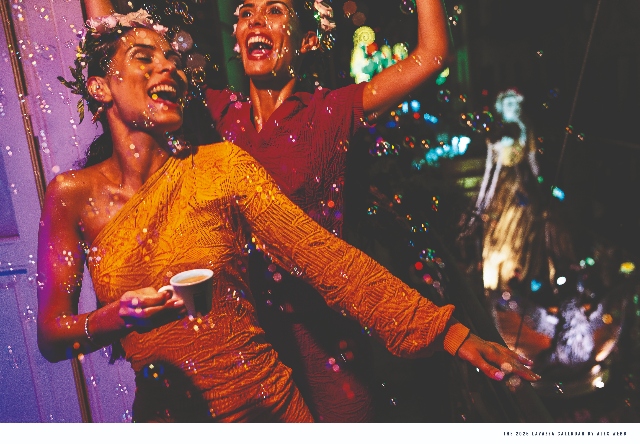
MIAMI, USA – With its 2026 Calendar, Lavazza continues the journey it began with ‘Pleasure Makes Us Human,’ a global campaign exploring an intangible yet unmistakable “essence of Italian lifestyle” through the collection of gestures, atmospheres, and sensibilities that define the Italian way of life.
For this edition, Lavazza once again entrusted the creative direction to its long-standing partner – the Armando Testa agency – and selected the vision of photographer Alex Webb, a member of Magnum Photos and one of the most significant contemporary street photographers, renowned for his vibrant use of color and his ability to portray everyday life with poetic depth.
For the first time in its history, Lavazza unveiled the Calendar during Art Basel Miami Beach 2025, introducing the Calendar to the world’s premier gathering of the contemporary arts community.
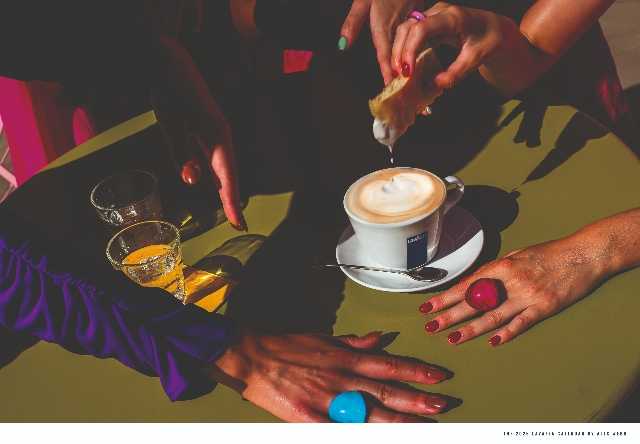
The January photo of the 2026 Lavazza Calendar (photo granted)
“We are proud to be an Official Partner of Art Basel Miami Beach and to share our long-standing relationship with art and photography in this context,” explains Francesca Lavazza, Board Member of the Lavazza Group.
“Contemporary art is a universal language that unites people and allows us to interpret reality, its contradictions, and its beauty. Our dedication to the art world is integral to our identity: this collaboration marks a new, fundamental milestone in Lavazza’s ongoing commitment to supporting contemporary creativity.”
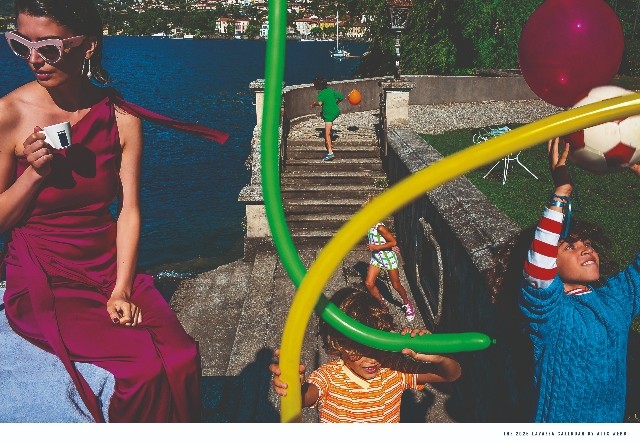
The February photo of the 2026 Lavazza Calendar (photo granted)
Alex Webb’s Photographic ‘Tour’
For the 2026 Calendar, Alex Webb embarked on a visual journey across Italy, discovering authentic and unconventional locations.
His narrative is warm, intense, and sophisticated: it portrays Italian life with a cinematic gaze, weaving together references to painting and photography and conveying the vitality that stems from the pleasure of small things.
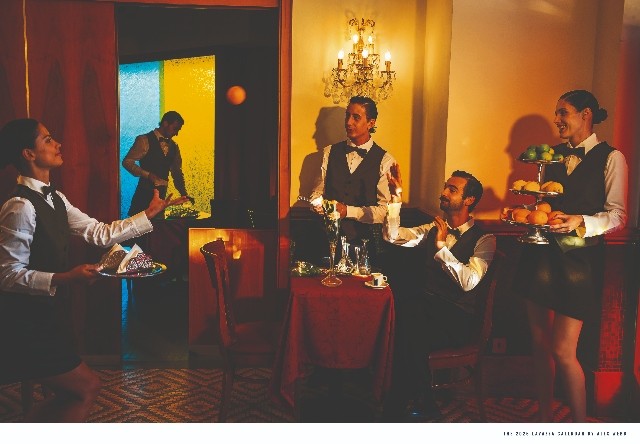
The March photo of the 2026 Lavazza Calendar (photo granted)
“I have always perceived a profound aesthetic tradition in Italy, one that spans centuries and remains vibrant today,” states Webb. “In this project, I aimed to capture and convey through my photographs the light, colors, and gestures, ultimately seizing that special energy that makes the Italian way of life so unique.”
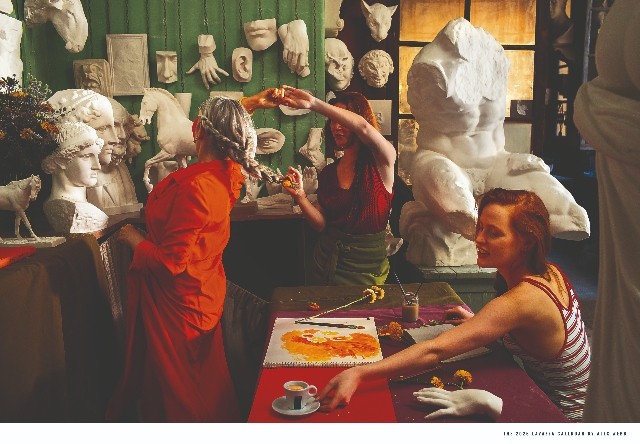
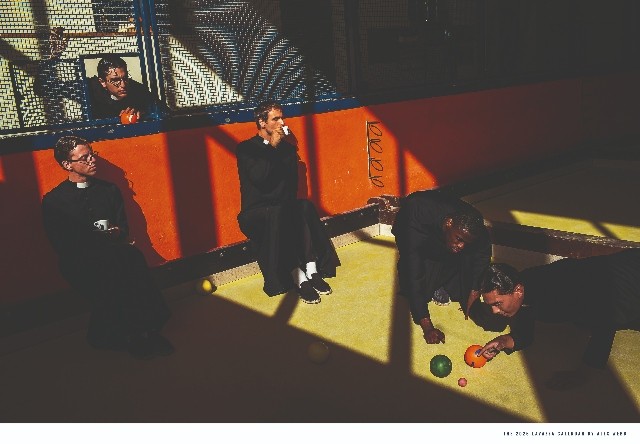
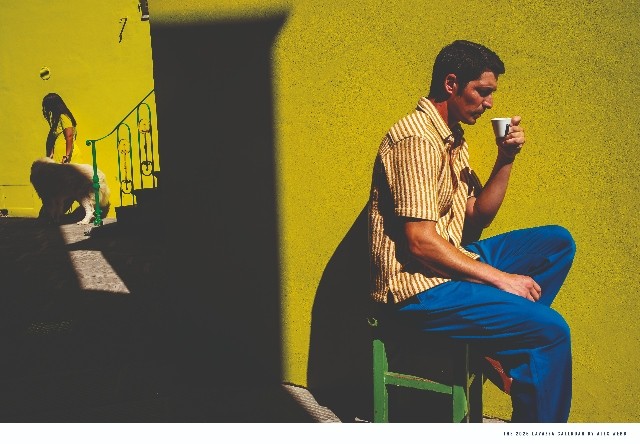
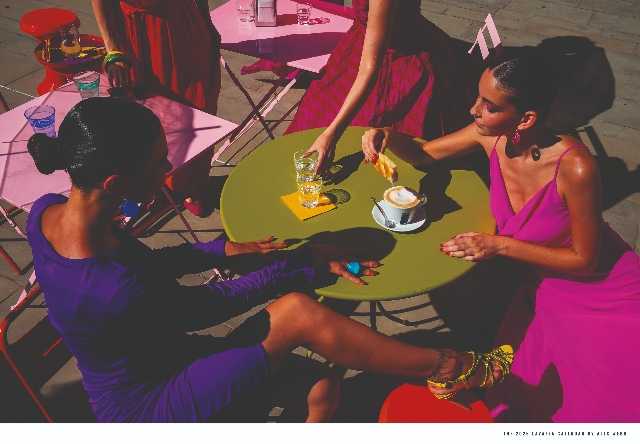
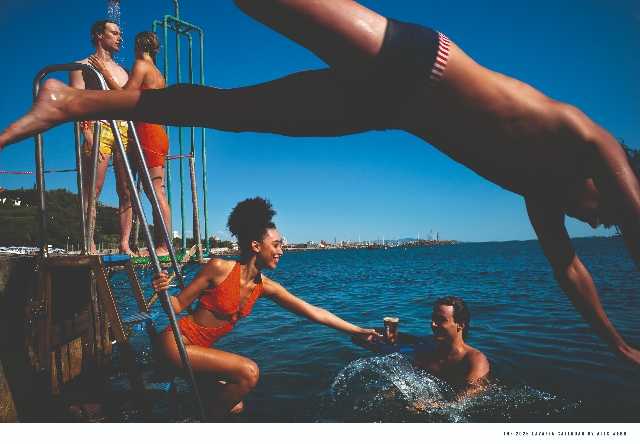
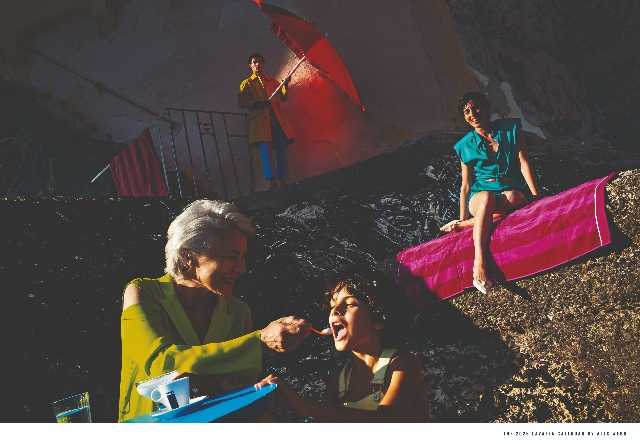
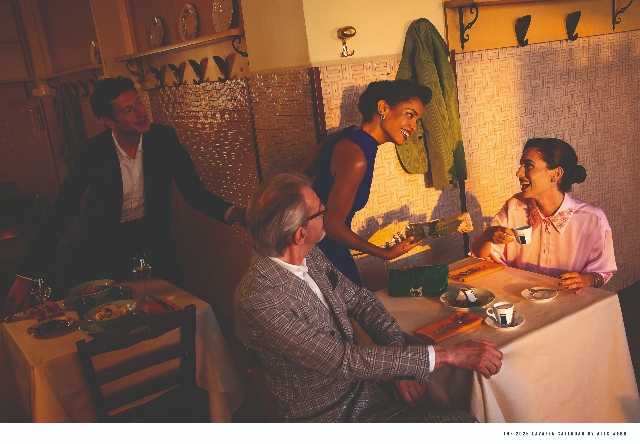
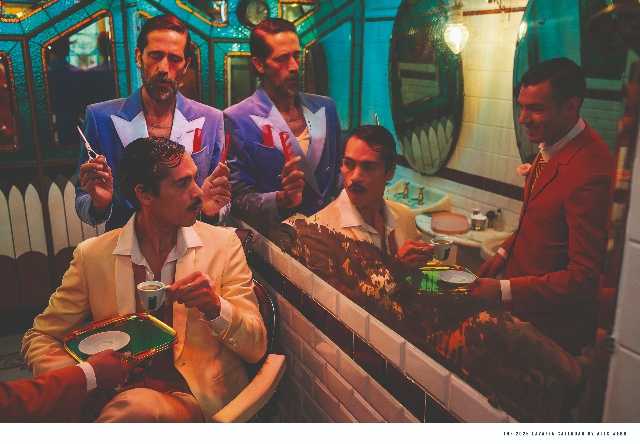
The twelve photographs that comprise the Calendar oscillate between intimate scenes and collective moments: children playing in a lakeside garden, a delightful city bar offering a pleasant break, an artisan workshop where ancient artistic techniques are passed down, a bocce court where a group of priests enjoy innocent recreation, an Art Nouveau barbershop, lunch at a trattoria, and the procession of Santa Rosalia in Palermo.
In each of these settings, coffee emerges as a unifying thread, an element that brings people together and sparks celebratory moments. Webb renders it a discreet yet constant presence, a visual ‘punctuation’ that sets the rhythm of Italian life.
The April photo of the 2026 Lavazza Calendar (photo granted)
Pleasure as a Universal Language
Through Webb’s fantastically colorful photography, this project endeavors to portray an ideal journey through Italy, engaging in the pleasures of the Italian lifestyle and sensibility removed from cliché. The exploration was conceived of twelve stages that explore different facets of the pleasure of Italian life. Pleasure thus becomes a shared language: the joy of meeting, of spending time together, of savoring a coffee. It’s an invitation to rediscover the beauty of simple gestures, to slow down, and to fully embrace every moment.
“Coffee is a spark, a small moment of universal happiness,” adds Francesca Lavazza. “It’s a pleasure that can be shared, yet also intimate, capable of uniting people and making them feel part of a shared experience, anywhere in the world.”
The May photo of the 2026 Lavazza Calendar (photo granted)
The photographs encapsulate the essence of the contemporary ‘dolce vita‘: slower rhythms, spontaneity, and conviviality. Every moment can hold a slice of pleasure, to be sought within the fabric of daily life, revealing its richness.
The joy of meeting, of being together, the pleasure of conversation and good food, the instant the coffee ritual unfolds; these are small moments of happiness accessible to all, part of that now boundless heritage that is the Italian way of life.
The June photo of the 2026 Lavazza Calendar (photo granted)
Lavazza at Art Basel Miami Beach: Coffee as Cultural Catalyst
Lavazza brought its signature blend of coffee, culture, and artistry to Miami through a constellation of experiences that animate the spirit of Art Basel. At the Lavazza Lounge, guests were invited into an immersive environment that celebrates the world premiere of the 2026 Calendar.
The July photo of the 2026 Lavazza Calendar (photo granted)
The journey continued in the Miami Design District with the Luxury Living Calendar Experience, where contemporary street-style aesthetics reinterpreted the Calendar’s imagery through fresh, interactive vignettes. The brand was also at the Walt Grace Vintage Café, Guitar and Car showroom in Wynwood, translating its “dolce vita” messaging into an accessible, street-level moment featuring product service, branded takeaways, and consumer gamification.
The August photo of the 2026 Lavazza Calendar (photo granted)
And finally, the Lavazza Dolcevita Discotheque transformed the morning ritual into an unexpected “café rave,” blending specialty coffee creations, curated bites, and an Italian-inflected soundtrack that channels the spontaneity and pleasure at the heart of the Lavazza ethos.
The September photo of the 2026 Lavazza Calendar (photo granted)
“Art Basel is a moment when the global creative community comes together to exchange ideas, discover new perspectives, and celebrate the power of artistic expression,” shared Daniele Foti, Vice President of Marketing for Lavazza North America.
“For Lavazza, being part of this cultural conversation is essential—we show up where creativity lives. Our presence throughout Miami this week reflects our belief that coffee is more than a beverage; it’s a bridge between people, disciplines, and communities. By engaging with the art world in such a dynamic context, we continue to affirm our role as a brand deeply connected to culture, creativity, and the shared experiences that bring people together.”
The October photo of the 2026 Lavazza Calendar (photo granted)
A Steadfast Commitment to Contemporary Art
The presentation of the 2026 Calendar at Art Basel Miami Beach solidifies the bond between Lavazza and the contemporary art world, serving as the culmination of a long history of engagement in visual arts.
The November photo of the 2026 Lavazza Calendar (photo granted)
With over thirty years of editions, the Lavazza Calendar has become a benchmark photographic project, created in collaboration with the world’s greatest photographic talents, who have consistently interpreted Lavazza’s values through a personal and innovative vision.
Over the years, Lavazza has fostered an ongoing dialogue with internationally renowned cultural institutions – including the Triennale di Milano, MUDEC, the Peggy Guggenheim Collection, and the Civic Museums of Venice, all the way to the Guggenheim Museum in New York – establishing itself as an ambassador not only for Italian coffee but also for creativity and beauty worldwide.
The December photo of the 2026 Lavazza Calendar (photo granted)
With the 2026 Calendar, Lavazza reaffirms this commitment, offering a contemporary perspective on Italy: a country where pleasure, culture, and conviviality continue to intertwine, generating a universal language capable of inspiring people across all latitudes.
MONROVIA, Liberia — The Director-General of the UN Food and Agriculture Organization (FAO), Dr. Qu Dongyu, has officially launched two major initiatives in Liberia: the Hand-in-Hand Initiative and the One Country, One Priority Product (OCOP) program, with Coffea Liberica selected as the country’s flagship commodity.
The launch marks a significant milestone in Liberia’s ongoing efforts to strengthen food security, increase value addition, and modernize the agrifood sector through innovation and strategic partnerships. Coffea Liberica, a rare coffee species native to Liberia, was selected for its unique qualities and strong potential to elevate the country’s profile in the global coffee market.
With this endorsement, Liberia becomes the first African country to introduce a coffee product under the OCOP framework. It also reflects FAO’s recognition of Liberia’s rich agricultural biodiversity and the government’s renewed commitment to revitalizing the coffee industry to boost economic growth.
Dr. Qu Dongyu described the launch as a pivotal moment for Liberia, saying: “Today marks an important moment for Liberia’s agrifood transformation as we launch two powerful and complementary FAO flagship initiatives. Our focus is on tangible change and measurable results. Liberian farmers, you are the cornerstone of this transformation.”
Under the Hand-in-Hand Initiative, FAO will work closely with Liberia to identify high-impact agricultural investment areas using advanced geospatial tools, strengthen climate-resilient farming practices, and boost productivity. Together, the Hand-in-Hand and OCOP programs are expected to reduce poverty, improve nutrition, and enhance Liberia’s competitiveness in regional and global markets.
Agriculture Minister Dr. J. Alexander Nuetah welcomed the collaboration and underscored the importance of the initiatives, noting:
“Let me express gratitude to FAO for the partnership and reaffirm Liberia’s commitment to using Coffea Liberica as a catalyst for sustainable development. Through these initiatives, we aim to create new employment opportunities and attract greater private-sector investment. We are confident that Coffea Liberica will become a symbol of agricultural innovation and economic empowerment for Liberians.”
By prioritizing Coffea Liberica, Liberia seeks to expand job opportunities in production and processing, grow its presence in the specialty coffee market, and strengthen agribusiness activities nationwide. The country will also benefit from international exposure through exhibitions, technical training, and South–South cooperation with other coffee-producing nations.
The launch signals a renewed spirit of collaboration between FAO and the Government of Liberia. It affirms a shared vision of transforming agriculture into a powerful driver of inclusive and sustainable national development.
BONN, Germany – Through the Global Coffee Platform (GCP), leading coffee companies and the German Federal Ministry for Economic Cooperation and Development (BMZ) have joined efforts to improve smallholder farmers’ livelihoods, climate resilience, and the sustainability of coffee supply chains in Kenya and Uganda.
The commitment announced by the platform sees private sector GCP Members – ECOM, JDE Peet’s, Louis Dreyfus Company, ofi (Olam Food Ingredients), SUCDEN, Taylors of Harrogate and Touton – expanding collective action by working with the Sustainable Agricultural Supply Chains Initiative (SASI). SASI is funded by BMZ and implemented by the Deutsche Gesellschaft für Internationale Zusammenarbeit (GIZ) GmbH.
The collective €2 million investment builds on GCP’s previous initiatives to tackle root causes that prevent coffee farmer’s prosperity to reach an additional 18,000 farmers across both countries.
According to GCP Executive Director, Annette Pensel, BMZ’s support has been key to de-risk the private sectors’ investments addressing locally prioritized sustainability challenges that ultimately ensure the future of East African coffee.
“This program sees major coffee companies pooling targeted investments, looking beyond their individual interests to benefit the broader national coffee sectors. It represents a critical step forward in how the sector can work together and maximize investment for expanding sustainable coffee farming,” said Pensel.
Tackling systemic challenges
Smallholder coffee farmers in Kenya and Uganda earn significantly less than a living income, leaving them ill-equipped to address climate change impacts and prepare for European Union regulations. Together, these systemic challenges present a significant hurdle to meeting importing markets’ requirements.
They also increase the risk of next-generation farmers leaving the sector, threatening future supply and long-term economic viability.
To respond, the program will further pilot and expand innovative solutions for bridging the gap in last mile extension services to reach farmers not currently serviced by sustainability schemes or programs.
In Uganda for example, work will build on the GCP Collective Action Initiative “Youth for Coffee” to grow the pool of entrepreneurial youth businesses that provide rehabilitation, rejuvenation, and agroforestry services. Working with a broader group of private sector companies not only increases the geographic reach of Youth Business Units to cover more sourcing regions, but also provides a path for the entrepreneurs’ long-term sustainability by linking with existing supply chains and developing a future client base for their services.
GIZ highlights that the program supports the global efforts of the Sustainable Supply Chains Initiative (SASI) to improve social, environmental and economic conditions along agricultural supply chains.
“We welcome this significant step from some of the world’s largest coffee roasters and traders who have committed to working together to test ways to expand the reach of sustainable coffee farming practices and knowledge in a region with strong potential.” Saskia Widenhorn, Project Manager at GIZ
Work has already commenced and will run through 2027. GCP-affiliated Country Platforms in Kenya and Uganda will lead program coordination and ensure lessons learned feed into national coffee discussions for even broader impact.
“By working through national multi-stakeholder platforms at origin, we can ensure that learnings and results are shared back with the sector to inform best practices and help scale efforts,” said Pensel.
This program, she said, represents an important step in addressing the long-term needs of a sustainable coffee sector in both Kenya and Uganda, in line with each country’s GCP Collective Action Plan for Farmer Prosperity.
“Ultimately, we aim to help usher in the transformational change the sector needs by demonstrating how working collectively can efficiently increase sustainable coffee production –to support both current and future sourcing needs.”
Global Coffee Platform (GCP) is a multi-stakeholder membership association dedicated to advance coffee sustainability towards the vision of a thriving, sustainable coffee sector for generations to come.
GCP enables coffee producers, traders, roasters, governments and NGOs to align and multiply their efforts and investments, collectively act on local priorities and critical issues, scale local sustainability programs and grow the global market for sustainable coffee across the coffee world. United in the belief that coffee sustainability is a shared responsibility, GCP Members and GCP’s Network of Country Platforms work together to achieve transformational change on prosperity for coffee farmers by 2030. For more information, visit www.globalcoffeeplatform.org
About Deutsche Gesellschaft für Internationale Zusammenarbeit (GIZ) GmbH
Deutsche Gesellschaft für Internationale Zusammenarbeit (GIZ) GmbH is a global service provider of international cooperation for sustainable development and international education. GIZ has more than 50 years of experience in a wide range of fields, from economic and employment promotion to energy and environmental issues to the promotion of peace and security.
As a non-profit federal enterprise, GIZ supports the German government, in particular the Federal Ministry for Economic Cooperation and Development, as well as many public and private clients in around 120 countries in achieving their goals in international cooperation. To this end, GIZ works with its partners to develop effective solutions that offer people prospects and permanently improve their living conditions. For more information, visit www.giz.de
About the Sustainable Agricultural Supply Chains Initiative (SASI)
The Sustainable Agricultural Supply Chains Initiative (SASI), is funded by the Federal Ministry for Economic Cooperation and Development (BMZ) and implemented by the Deutsche Gesellschaft für Internationale Zusammenarbeit (GIZ) GmbH. The initiative consists of multiple projects that work towards an economically, socially, and environmentally sustainable transformation of global agricultural supply chains.
In collaboration with politics, private sector, and civil society, SASI puts sustainability topics on the agenda and shapes political discourse. SASI supports the implementation of EU regulations and highlights opportunities within this framework.
It promotes corporate responsibility that goes beyond legal requirements. SASI addresses key challenges across various supply chains. The focus areas include corporate due diligence and sustainable production, living income and living wages, deforestation-free supply chains, gender equality, and digitalization. For more information, visit www.sustainable-supply-chains.org
HAMBURG, Germany – Since its launch in summer 2025, the Tchibo Refurbished business model for fully automatic coffee machines has seen a pleasing increase in demand within just a few months. What it’s all about: Instead of leaving used fully automatic coffee machines unused or disposing of them, the new Tchibo buy-back and resale model gives the appliances a second life. In this way, the Hamburg-based company conserves resources, extends the useful life of the appliances and offers new customers high-quality refurbished fully automatic coffee machines with a 24-month guarantee.
Current project status
Tchibo Refurbished is very popular with customers – both for the sale of used machines and for the purchase of refurbished models. In addition to bought-back machines, refurbished returned goods are also offered.
In economic terms, the refurbished project remains under close observation: Tchibo pursues a profitable circular business model and controls this based on data. The first process adjustments – for example in the acceptance criteria, verification processes, the gift card amounts paid out and the activation of the Esperto2 fully automatic machine – have already been implemented.
Mirca Braun, Tchibo Head of Coffee Machines: “We have been developing coffee systems with high repairability for over 40 years. Our appliances are designed so that key components are easily accessible, replaceable and available for the long term. This is why our fully automatic machines are particularly suitable for a refurbished range. They are tested for several thousand cups and the supply of spare parts has been an integral part of our development and service planning for years. Our repair service therefore forms the basis for the development and scaling of the refurbishment programme.”
Karoline Reperich, Tchibo Circular Economy Manager, is delighted with the interest shown by buyers: “We can see that there is demand from customers for both offers. We are continuously optimising our processes and learning how the circular economy works right down to the last mile – including buying back and refurbishing used products from households.”
Sustainable Christmas present
Just in time for the end of the year, the refurbished fully automatic machine is also a sustainable Christmas present: technically tested, with a two-year guarantee, attractively priced – and a more resource-saving alternative to buying a new machine. Click here to go to the Tchibo online refurbished shop.
Refurbished complements Tchibo’s existing sustainability portfolio. For around 20 years, the company has stood for responsibly sourced raw materials – from organic cotton and sustainably sourced coffee to FSC®-certified wood and recycled fibres. With the new range, Tchibo is reinforcing the principle of longevity and reuse in technical products. In this way, the company is emphasising its claim to no longer think of consumption in linear terms, but as a circular model.
MCLEAN, Virginia and CHICAGO, Illinois, USA – Mars, Incorporated, a family-owned, global leader in pet care, snacking and food, is pleased to announce the successful completion of its acquisition of Kellanova, whose portfolio includes Pringles, Cheez-It, Pop-Tarts, Rice Krispies Treats, RXBAR and Kellogg’s international cereal brands.
The combination brings together two iconic businesses with beloved brands, storied legacies and outstanding capabilities – now united to shape the future of snacking.
“Today marks a transformative moment and I’m excited to welcome Kellanova to Mars,” said Andrew Clarke, Global President of Mars Snacking. “United by more than a century of pioneering new categories and building iconic brands, Mars and Kellanova are joining forces to shape the future of snacking.
With more than 50,000 Mars Snacking Associates and partners around the world, we’re now positioned to bring consumers more of the brands they love and new innovations — while continuing to advance our sustainability commitments and invest for the long term.”
The new Mars Snacking will operate in attractive snacking categories, adding Kellanova’s billion-dollar brands – Pringles, Cheez-It and Kellogg’s – to the Mars business.
The existing Mars portfolio includes billion-dollar snacking and confectionery brands like SNICKERS®, M&M’S, TWIX, DOVE, SKITTLES and EXTRA, as well as KIND and Nature’s Bakery. The addition of Kellanova also expands the portfolio of Accelerator, a division of Mars Snacking, with complementary brands like RXBAR, Nutri-Grain bars and Special K bars.
Mars, Incorporated announced on August 14, 2024, that it had entered into a definitive agreement under which Mars agreed to acquire Kellanova. The transaction received Kellanova shareowner approval on November 1, 2024. The acquisition received all required regulatory approvals as of December 8, 2025.
SINGAPORE, SG – The Jollibee Group ‘s global momentum continues as its three flagship brands-Jollibee, Mang Inasal, and Chowking-once again dominated the Brand Finance ASEAN 500 2025 rankings, maintaining their positions as the top three most valuable restaurant brands in the ASEAN region. This continued leadership comes as Jollibee Group accelerates its international expansion and strengthens its presence in key global markets, including the United States, Hong Kong SAR, Singapore, and the Middle East.
Jollibee, the Group’s flagship brand, recorded an 8% rise in brand value to USD 2.5 billion and remains recognized as the world’s second-fastest-growing restaurant brand. With more than 1,800 stores across 17 countries, Jollibee continues to delight customers worldwide with its iconic offerings, including Chickenjoy fried chicken, Jolly Spaghetti, and the Yumburger. Jollibee continues to spread joy through superior taste and proves that this unique taste indeed transcends borders, as it received several prestigious recognitions this year and in the past that celebrate both its products and its growing presence in various markets.
The Jollibee Hong Kong team added the My Favourite Fast-Food Shop at the U Food Favourite Food Awards 2025, and Best-Ever American Cuisine 2025 at the Weekend Weekly Food Awards to the brand’s growing list of global accolades. In the U.S., Chickenjoy was named the #1 Best Fast-Food Fried Chicken for two consecutive years by USA Today’s 10Best Readers’ Choice Awards, while Ad Age has recognized Jollibee as one of the world’s hottest brands.
Mang Inasal and Chowking also contributed to the Group’s strong portfolio performance, with brand values rising to USD 377 million and USD 262 million, respectively. While primarily anchored in the Philippines, both brands remain key contributors to the Jollibee Group’s regional scale and overall brand equity.
“Our continued leadership in the Brand Finance ASEAN 500 rankings reflects the strength of our brand portfolio, the passion of our teams across the Jollibee Group, and the trust and love of our customers,” said Ernesto Tanmantiong, Global President and Chief Executive Officer of the Jollibee Group. “It affirms our leadership not only in scale, but in the hearts of the people we serve. As we continue to grow globally, we remain focused on innovation, quality, and an enduring purpose-to spread joy through superior taste.”
Brand Finance, the world’s leading brand valuation consultancy, annually evaluates over 6,000 brands across 41 countries and 31 industries, using a rigorous methodology that factors in marketing investment, stakeholder equity, and business performance to determine financial worth and influence.
Recognizing the Jollibee Group’s Brand Portfolio
“The Jollibee Group’s sweep of the restaurant sector and their ability to build strong, emotionally resonant brands while maintaining consistent growth is a remarkable achievement,” said Alex Haigh, Managing Director of Brand Finance, Asia Pacific. “Their sustained leadership across multiple markets reflects a clear brand strategy and deep connection with consumers.”
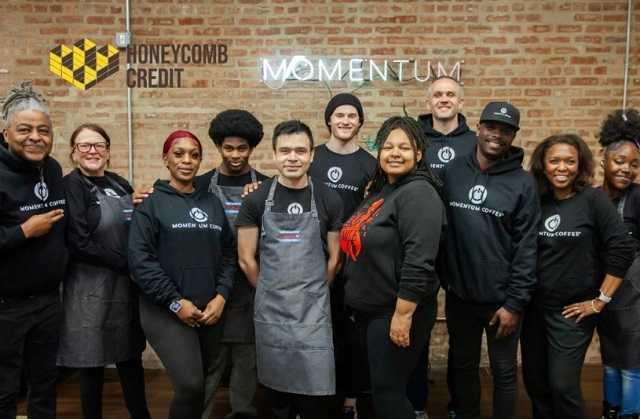
CHICAGO, IL, USA – Momentum Coffee, Chicago’s largest Black-owned coffee brand with four locations citywide, founded and led by husband-and-wife team Ms. Bravo and Mr. Powell, has launched a community investment crowdfunding campaign with only 14 days remaining to secure the funding needed to strengthen its operations and expand its community impact.
Momentum Coffee operates in neighborhoods where national chains often choose not to invest, including the South Loop, Millennium Park, Garfield Park, and Austin. Known for hiring locally, training young people, and creating safe, welcoming spaces, Momentum has become a vital anchor for residents, workers, and visitors across Chicago.
This campaign, hosted on Honeycomb Credit, invites everyday Chicagoans to participate as community investors—rather than donate—and can earn a return while supporting a mission-driven, family-owned business as it works to remain strong during a challenging economic climate. Funds raised will support:
Equipment upgrades for faster, more consistent service
Expanded inventory to meet growing demand
Increased roasting and distribution capacity
Operational efficiency improvements
Enhanced job and training opportunities for Chicago youth
“Our cafés are more than businesses — they are community anchors,” said Ms. Bravo, who co-founded Momentum Coffee with her husband Mr. Powell. “As pressures rise for small and mission-driven businesses, we’re inviting the community to join us as investors. Every investment helps keep these neighborhood spaces alive and accessible.”
Momentum Coffee emphasizes that its growth is directly tied to preserving community spaces, supporting workforce development, and maintaining access to quality coffee in neighborhoods across Chicago.
With less than two weeks left in the campaign, this moment represents a crucial opportunity for Chicagoans to rally behind one of the city’s most impactful Black-owned, family-led coffee brands.