


Share your coffee stories with us by writing to info@comunicaffe.com.
COPENHAGEN – GrowGrounds ApS, a Danish impact-driven agritech company transforming coffee production through regenerative agroforestry, today announced that its Global Syntropic Agroforestry Program (GSID GS13053) has achieved Gold Standard Project Design Certification under the Gold Standard for the Global Goals.
The certification validates GrowGrounds’ deliberately designed agroforestry program framework, built from the ground up to work with smallholder farmers, coffee value chains, and long-term climate integrity.

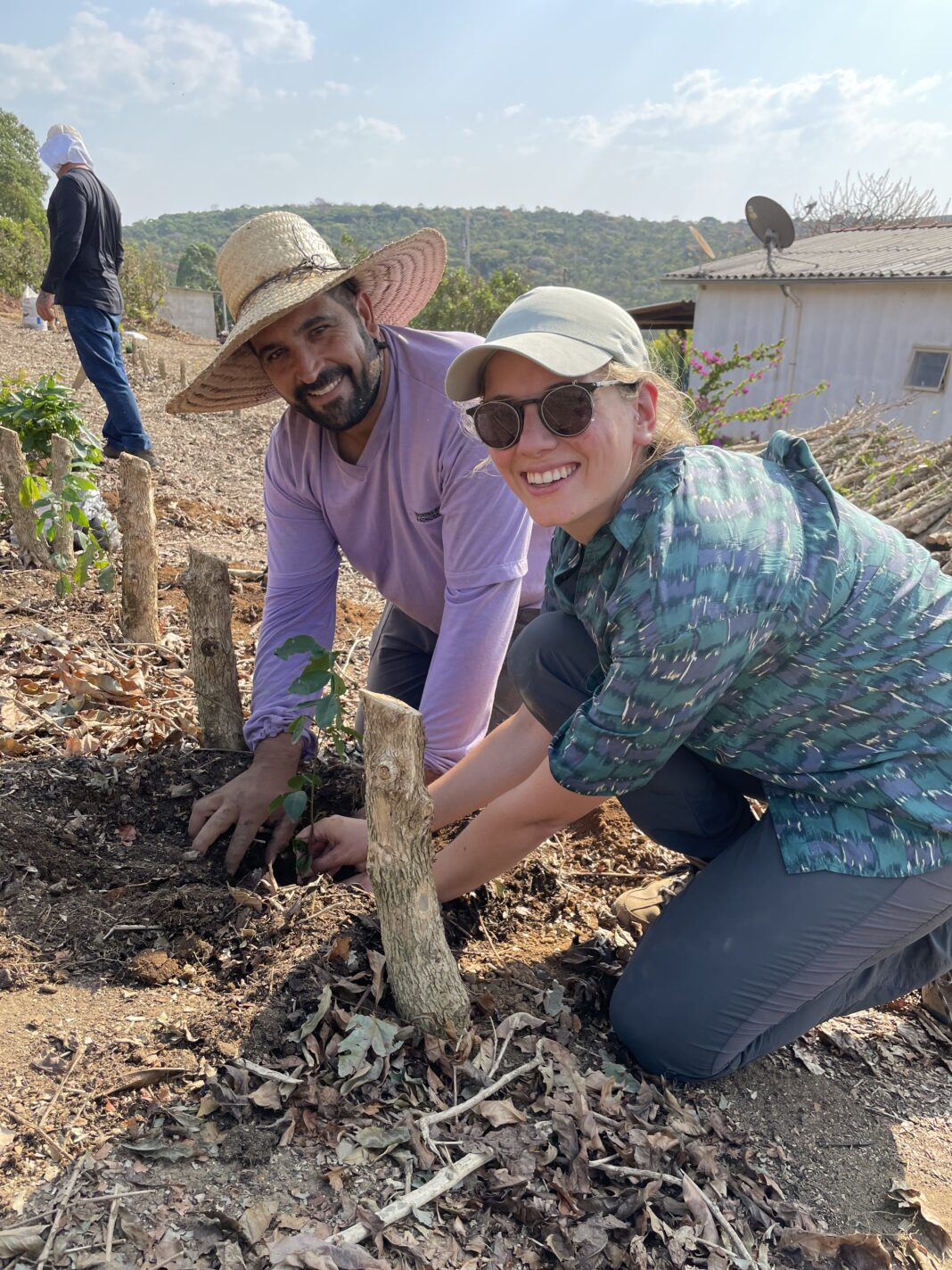
The program is designed to deliver carbon removals in the range of 18–25 tCO₂e per hectare, achieved through the conversion of monoculture coffee systems into biodiverse agroforestry landscapes that restore soil health, biodiversity, and farmer resilience, subject to future monitoring, verification, and certification.
“This certification is our license to operate and our proof of concept,” says Lars Aaen Thøgersen, CEO and Co-Founder of GrowGrounds. “It confirms that agroforestry conversion can be designed to deliver measurable climate impact while creating real value for farmers and supply chains. With the design now certified, we are ready to scale.”

With the Gold Standard listing, GrowGrounds can now advance the program toward future monitoring, verification, and issuance, while accelerating farmer onboarding and partnerships across East Africa and Latin America.
“We grow businesses by growing nature,” adds Thøgersen. “This milestone allows us to move from vision to execution by scaling nature-based climate action through coffee.”
Key facts
- Program: Global Syntropic Agroforestry Program
- GSID: GS13053
- Standard: Gold Standard for the Global Goals
- Carbon performance: Designed carbon removal potential of 18–25 tCO₂e per hectare
- Regions: Brazil, Kenya, Uganda
- Next steps: Farmer onboarding, partnerships, future verification and issuance
About GrowGrounds ApS
GrowGrounds is a Danish agritech impact company with offices in Copenhagen and Nairobi. The company works to make coffee a regenerative commodity by converting monoculture systems into nature-growing agroforestry linking verified climate action with improved farmer livelihoods.