


Share your coffee stories with us by writing to info@comunicaffe.com.
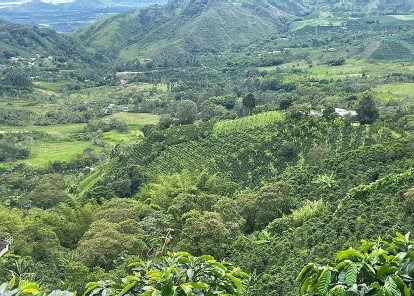
TOKYO, Japan – Suntory Holdings and Conservation International, a global nonprofit environmental organization, today announced the launch of a regenerative agriculture pilot program in Huila, Colombia – one of the major coffee producing regions in the world. The pilot program aims to support the sustainable procurement of coffee beans while reducing greenhouse gas (GHG) emissions in the production process by improving how coffee residues and fertilizers are managed.
Starting in 2026, the two-year program will engage a total of 180 coffee farmers in the region. It will promote regenerative farming practices through the use of organic fertilizers derived from coffee production residues such as pulp and husks. The program will assess impacts on coffee yield and measure reductions in GHG emissions.

In recent years, climate change – including rising temperatures and shifting rainfall patterns – has created significant challenges for coffee-producing regions, resulting in global instability in coffee crop yields and harvest volumes.
Huila is no exception. The region is experiencing mounting pressures on its forests and ecosystems due to the combined effects of climate change and the expansion of agricultural land driven by increasing production demands for coffee. Additional challenges are also becoming increasingly evident in Huila, including water resource management, an aging farming population, and a shortage of next-generation successors.

Suntory and Conservation International are collaborating as part of a landscape initiative in the Huila region to address a wide range of environmental, social and economic challenges, including water purification, and the creation and stabilization of local employment. This platform aims to broaden its impact by engaging like-minded partners in addressing various issues through a landscape approach – a place-based strategy for conservation and sustainable development that considers the sustainability of entire regions.
The landscape approach is a holistic framework designed to address complex, interconnected challenges such as biodiversity loss, climate change, and sustainable production and consumption. It integrates economic and social activities with the natural environment within a defined region or watershed. A key feature of this approach is the collaborative setting of shared goals and joint action by stakeholders – including companies, local governments, and communities – at the regional or watershed level. This approach gained international recognition at the 16th meeting of the Conference of the Parties to the Convention on Biological Diversity (CBD-COP16) in 2024.
Suntory Group is committed to the sustainable procurement of raw materials and has been actively promoting regenerative agriculture, which is expected to improve soil health, enhance water quality, and reduce GHG emissions. Since 2022, the Group has been promoting sustainable farming practices for key ingredients – including barley and blackcurrants in the UK, corn in the US, agave in Mexico, sweet potatoes in Japan, and sugarcane in Thailand – by reducing the use of chemical fertilizers and pesticides. In the UK, Suntory Group harvested its first regenerative barley crop in 2023, achieving up to a 30% reduction in GHG emissions per unit of crop compared to conventional farming methods.
Masaaki Fujiwara, Chief Sustainability Officer of Suntory Holdings, comments, “Through this new partnership with Conservation International, we are committed to working hand in hand with coffee farmers to address challenges in coffee-growing regions impacted by climate change. By promoting regenerative agriculture, we aim to reduce GHG emissions in producing regions while actively advancing sustainable sourcing of raw materials as a multifaceted beverage company.”
Jack Kittinger, Senior Vice President, Center for Regenerative Economies at Conservation International, comments, “Regenerative agriculture is a practical way to restore nature from the ground up. Practices like maximizing the use of coffee processing waste helps enrich the soil, nourish essential microbes, and provide an alternative to fertilizers — strengthening the resilience of both farms and the landscapes around them. Through this partnership with Suntory, we will apply science, innovation, and local expertise to help coffee farmers improve farming techniques while restoring the natural systems they depend on.”
Suntory Group and Conservation International will continue to pursue sustainable sourcing of raw materials while addressing challenges in producing regions.
Learn more about Suntory Group’s Sustainability Vision here and about its work on sustainable procurement here.