

Share your coffee stories with us by writing to info@comunicaffe.com.
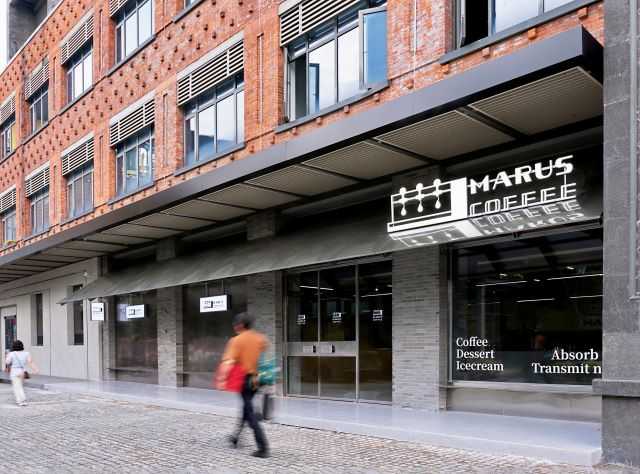
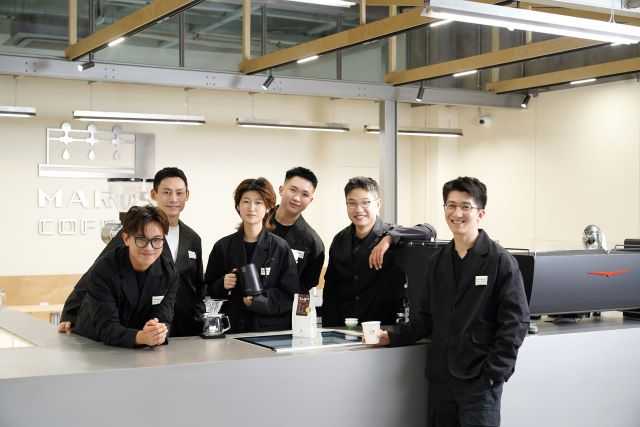
SUZHOU (China) – A discussion on the state of specialty coffee in specialised coffee shops with the owner of Marus Coffee in China, Sun Lei, founder of the brand and winner of the China Barista Championship in 2023 and 2019.
Marus is one coffee shop around 100 square meters, one coffee roastery around 2000 square meters, and a training center around 350 square meters. They do a lot different trainings in our place, as his founder says himself.

What is the specialty coffee market like in China? Are the younger generations showing more interest?
Can a business that focuses solely on specialty (rather than food and trendy milk-based recipes) survive economically in this country, which is typically associated with tea?
“Over the past decade, China’s coffee market has entered a phase of extremely rapid development. Chinese consumers have gradually shifted from bubble tea to coffee: more and more consumers have become genuine coffee drinkers, and a growing number of people are willing to try both commercial coffee and specialty coffee.

This trend is particularly evident among the two younger generations – the post-90s and post-00s. Thanks to China’s traditional tea culture, coffee beverages have been able to integrate into people’s daily lives more quickly.”
What are the establishments that serve specialty coffee like?
Do they have common characteristics or do they try to differentiate themselves from the coffee chain model?
“Currently, there are a wide variety of independent specialty coffee brands and chain brands in different cities across China. However, there are significant differences between them: independent coffee brands tend to offer more high-end and unique coffee beverages, often at very high prices.
Meanwhile, coffee chains face fierce competition across different price ranges — commercial coffee chains focus on cost-effectiveness and market penetration, while specialty coffee chains are more dedicated to brand building and the creation of “third spaces”. For instance, Blue Bottle Coffee also faces extremely intense competition in China.”
What is the biggest challenge for a business that focuses on specialty coffee? How is it possible to cover the costs of a premium product while remaining profitable?
“For specialty coffee enterprises in China, they are confronted with fierce and intense competition, as well as the challenge of how to cater to the diverse needs of consumer groups. Meanwhile, overall costs have been on the rise year by year — the cost of green coffee beans, in particular, keeps increasing.
In my view, the core issue still lies in how to build brand awareness and expand sales channels. Fortunately, social media in China is now highly developed, enabling these enterprises to acquire more customers through online channels.”
In your experience in Marus Coffee, what strategies can be implemented to maintain the quality of the coffee offered while remaining competitive on price?
“First and foremost, it is essential to ensure the quality and stability of green coffee beans. Even if costs increase as a result, enterprises can enhance their operational capabilities through better management and reasonably cut down on costs. They should also strive to acquire more customers to share the burden of production costs.”
Is there still room for growth or is it a niche market destined to remain so and become saturated?
“I believe that coffee and specialty coffee in China are still in their infancy, which means there will be greater market demand in the future. Yet it will also face even more intense market competition. Based on the current situation, China will develop diverse coffee-drinking habits over the next 10 to 20 years, and similarly, different brands will focus on different types of coffee products.”